6 min read
Ah, polybutylene water lines - the divas of the plumbing world. Installed in millions of homes from the 1970s through the 1990s, these pipes seemed like the plumbing dream: affordable, easy to install, and perfectly capable of carrying water. But as with any too-good-to-be-true story, the dream turned into a soggy nightmare.
Let's dive into plumbing's biggest "oops," and why these pipes are more trouble than they're worth.
Once upon a pipe dream
Picture it: the 1980s. Big hair is everywhere, everyone is jazzercising, and builders are giddy about polybutylene. Revolutionary, they said. The future of plumbing, they declared. And for a while, these lightweight, flexible pipes delivered on the promise.
Homeowners happily turned on their faucets, blissfully unaware that their shiny new plumbing was essentially a ticking time bomb. Fast forward a couple of decades and polybutylene is failing spectacularly, leaving behind water damage, tears and a lot of destroyed drywall.
Polybutylene's drama queen moments
So what went wrong? How did these pipes go from plumbing royalty to the black sheep of the industry?
Chlorine's revenge
Polybutylene's mortal enemy turned out to be something in every homeowner's water supply: chlorine. Over time this common chemical weakens the pipe from the inside, causing it to crack and fail. Imagine your plumbing aging like overcooked spaghetti - brittle, fragile, and definitely not what you want inside your walls.
Sneaky leaks
When polybutylene fails, it usually fails quietly. Instead of a dramatic burst, it springs tiny leaks behind walls or under floors and does damage long before anyone notices. By the time you spot it, you are looking at a repair bill that rivals a kitchen remodel.
Insurance woes
Home insurers have a love-hate relationship with polybutylene. Mostly hate. Many carriers refuse outright to cover a home that has it, and the ones that will write the policy price it accordingly. Nothing says "welcome home" like an insurance headache.
How to spot the culprit
Think you might have these plumbing pests lurking in your home? Here is what to look for:
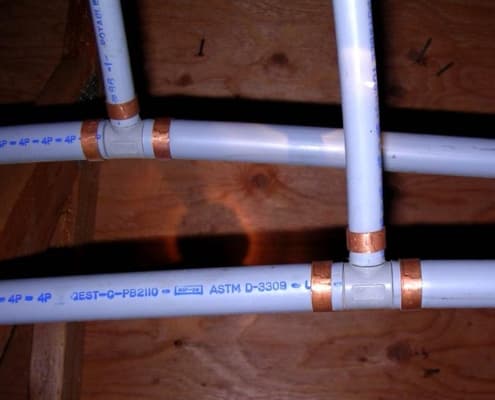
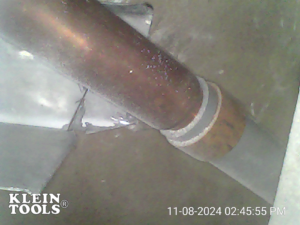
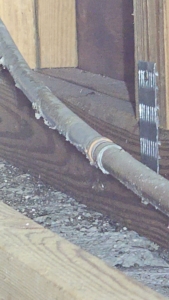
- Color: usually grey, but sometimes blue or black.
- Location: near the water heater, under sinks, or in crawl spaces.
- Markings: look for PB2110 stamped on the pipe. That is a sure sign.
Breaking up with polybutylene
Let's be real: it is time to part ways. Replacing it might feel like a big project, but it is a necessary step to protect the house. Think of it as upgrading from a clunky flip phone to a modern smartphone. Materials like PEX and copper are durable, reliable and far less likely to flood your home.
Why wait?
Ignoring polybutylene is like ignoring a strange clunking sound in your car - it does not end well. A proactive replacement saves you from a future disaster, and from the insurance premium that comes with keeping it.
At Billings Home Inspections we are here to help. Whether you are buying, selling, or simply wondering whether your pipes are plotting against you, we will give you a thorough inspection and the guidance to move forward with confidence.
Call us at 561-644-0279 or schedule your inspection online.
Moral of the story
Polybutylene may have been the cool kid of the plumbing world in the 80s, but like acid-wash jeans and mullets, it is time to leave it in the past. Your walls, your wallet and your water supply will thank you.